
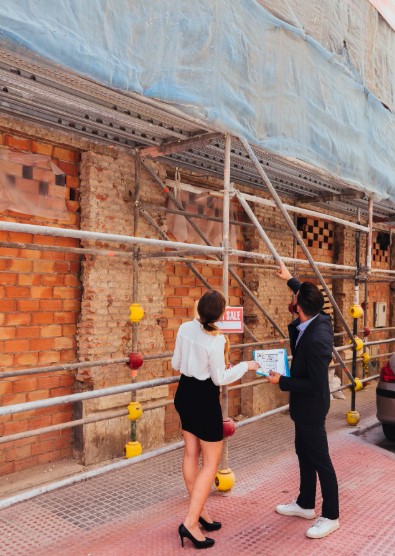
Commercial properties represent significant capital investments that require a proactive approach to maintenance to remain profitable and safe. Unlike residential structures, commercial buildings often support massive loads and high foot traffic, making the stability of the foundation a non-negotiable priority.
Regular structural inspections serve as the primary defense against the silent progression of foundation failure. By identifying minor shifts before they escalate into major structural compromises, property owners can avoid the massive costs and operational shutdowns associated with emergency repairs.
Early Detection of Soil and Drainage Fluctuations
The soil surrounding a commercial building is constantly changing due to weather patterns and local construction projects. An inspection identifies if water is pooling near the footings or if the soil is pulling away from the structure, which are early indicators of future settlement.
- Check for “ponding” water near the building’s perimeter after heavy rainfall to identify drainage failures.
- Monitor the moisture levels in the soil to ensure it remains consistent and doesn’t lead to expansive clay heaving.
- Inspect the condition of commercial downspout extensions to verify they are effectively moving water away from the foundation.
Identifying these environmental changes early allows for simple landscape adjustments rather than expensive structural piering down the road.
Monitoring Interior and Exterior Masonry Health
Concrete and brick are the “canaries in the coal mine” for a building’s foundation, showing stress long before the frame is in danger. Professional inspectors look for specific cracking patterns that suggest the building is no longer sitting level on its base.
- Map the location and width of all stair-step cracks in exterior brickwork to track movement over several months.
- Inspect expansion joints in long commercial walls to ensure they are functioning correctly and not closing up due to pressure.
- Look for efflorescence or white mineral deposits on basement walls, which indicate chronic moisture penetration through the concrete.
Tracking these visual cues provides a roadmap for targeted maintenance that prevents a localized crack from becoming a total wall failure.
Verifying the Integrity of Load-Bearing Supports
In large commercial facilities, interior support columns and beams carry the majority of the structural weight. Regular inspections ensure that these critical components have not shifted or deteriorated due to heavy floor loads or vibrations from machinery.
- Use precision laser leveling to ensure that the main support beams remain perfectly horizontal across the span of the building.
- Inspect the base of interior steel columns for signs of corrosion or pitting caused by high humidity in the lower levels.
- Confirm that the connections between columns and the foundation slab remain tight and free of stress fractures.
Ensuring these internal supports are stable prevents sagging floors that could otherwise lead to dangerous workplace conditions or equipment malfunctions.
Preventing Damage to Precision Equipment and Utilities
Many commercial operations rely on sensitive machinery or complex plumbing systems that require a perfectly level environment to function. Foundation movement can snap utility lines or throw expensive production equipment out of alignment, leading to costly downtime.
- Scan for floor heaving in warehouses, which can create trip hazards for forklifts and destabilize racking systems.
- Check for gaps where plumbing pipes or electrical conduits enter the foundation, as these are prime spots for leaks and gas infiltration.
- Monitor for racked door frames that prevent fire doors from closing automatically during an emergency.
Protecting the building’s foundation is effectively a way to protect the high-value assets and essential utilities housed within the facility.
Maintaining Optimal Property Value and Compliance
For commercial real estate, a documented history of structural inspections is a powerful tool during appraisals or potential sales. Consistent oversight proves to insurers and investors that the building is structurally sound and has been maintained to the highest standards.
- Keep a structural logbook that includes photos and measurements from each inspection to show a history of stability.
- Ensure the building meets all local building codes and safety regulations regarding structural load-bearing capacity.
- Use inspection data to justify the budget for minor preventive maintenance, which is far easier to approve than a six-figure emergency repair.
A clean bill of health from a structural standpoint significantly increases the marketability and long-term equity of any commercial asset.
Securing Your Commercial Investment Through Vigilance
Committing to a schedule of regular structural inspections is the most cost-effective strategy for any savvy property manager or business owner. By shifting from a reactive to a proactive mindset, you ensure that small issues never have the chance to disrupt your operations.
The foundation is the literal and figurative base of your business success, and its health should never be left to chance. Professional oversight provides the confidence and security needed to focus on your core business goals while your property remains rock-solid.