
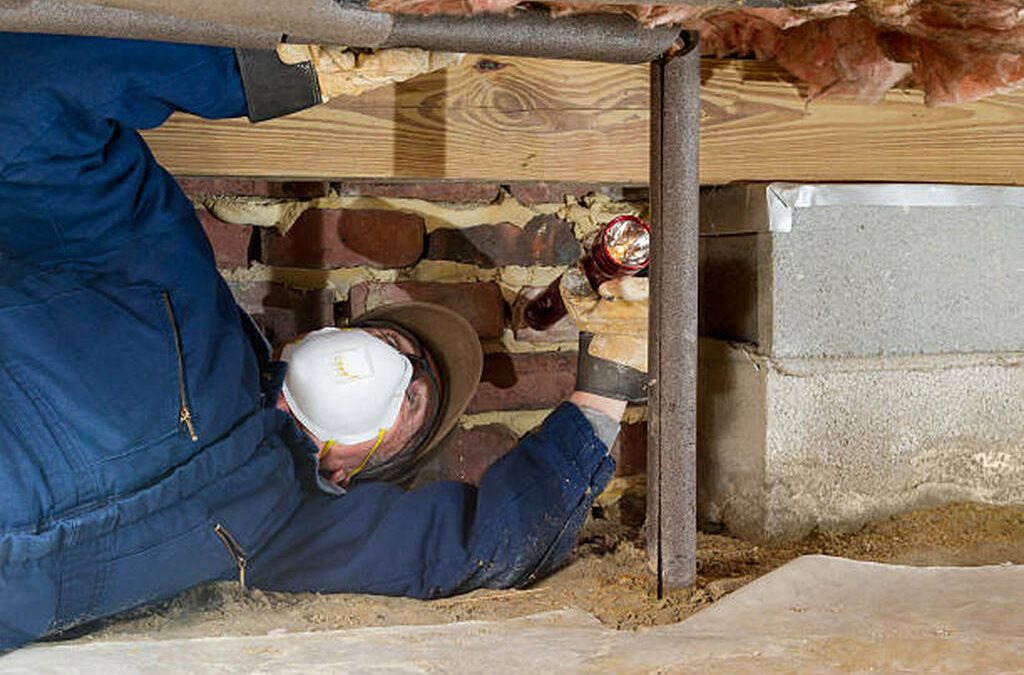
Crawl space foundations offer unique advantages for home access but remain highly susceptible to moisture-related structural shifts. When the wooden supports or the ground beneath them begin to fail, the entire stability of your residence is put at immediate risk.
Addressing these issues early is essential for preventing sagging floors and long-term wood rot. Choosing the right stabilization method ensures that your home remains level and safe for decades to come.
Galvanized Steel Support Jacks
Traditional wooden posts often fail because they cannot be adjusted once the house settles or the wood shrinks. Galvanized steel jacks provide a heavy-duty alternative designed to support immense weight while remaining fully adjustable over time.
- Use high-capacity steel columns that rest on a pre-cast or poured concrete base to distribute the load.
- Ensure the jacks are coated to resist the high humidity levels typically found in below-grade environments.
- Adjust the jacks incrementally to lift sagging floor joists back to their original horizontal plane.
By replacing failing shims and rotting wood posts with steel, homeowners create a permanent solution that can be fine-tuned if the soil shifts in the future.
Structural Piering for Perimeter Walls
When the exterior footer of a crawl space begins to settle, it often causes the perimeter masonry to crack or pull away. Piering involves driving steel supports deep into the earth to reach stable, load-bearing strata or bedrock.
- Helical piers are ideal for crawl spaces as they can be screwed into the ground with minimal vibration to the existing structure.
- Push piers utilize the weight of the house itself to drive the support pipe down to a solid landing.
- This method bypasses the unstable “active zone” of the soil that expands and contracts with the seasons.
Once the piers are locked into place, the perimeter of the crawl space is permanently stabilized against further sinking or heaving.
Comprehensive Vapor Barriers and Encapsulation
Moisture is the primary enemy of crawl space foundations, as it softens the ground and encourages wood-destroying organisms. Encapsulation creates a sealed environment that prevents outside air and ground moisture from entering the space.
- Install a heavy-duty, puncture-resistant white liner that covers the entire floor and wraps up the interior walls.
- Seal all foundation vents to prevent the entry of humid summer air which leads to condensation on cold joists.
- Integrate a high-efficiency dehumidifier to maintain a consistent relative humidity level below fifty percent.
An encapsulated crawl space remains dry and clean, which preserves the integrity of both the soil and the wooden framing members.
Supplemental Floor Joist Reinforcement
Overloaded or water-damaged joists can begin to “sister” or bow, leading to bouncy floors in the living areas above. Reinforcing these members strengthens the skeletal frame of the home without requiring the replacement of the entire floor system.
- Attach new pressure-treated lumber alongside existing damaged joists to restore structural stiffness.
- Use structural adhesive and heavy-duty bolts to ensure the new and old members work as a single unit.
- Install solid bridging or “blocking” between joists to prevent them from twisting under the weight of furniture.
Adding strength directly to the floor frame eliminates the feeling of instability and prevents cracks in tile or hardwood flooring.
Internal Drainage and Sump Pump Systems
Hydrostatic pressure can cause water to seep through crawl space walls or bubble up from the dirt floor during heavy rains. An internal drainage system collects this water and directs it away before it can erode the footings.
- Dig a trench around the interior perimeter and install perforated pipe wrapped in filter fabric.
- Slope the pipe toward a heavy-duty sump basin equipped with a reliable discharge pump.
- Install a battery backup for the pump to ensure operation continues during severe storms and power outages.
Managing water flow internally prevents the soil from becoming saturated, which is the leading cause of foundation “washout” and settlement.
Securing Your Home Through Professional Stabilization
Investing in high-quality crawl space repairs protects your family from the dangers of structural collapse and poor indoor air quality. A stabilized foundation is the primary factor in maintaining the market value and longevity of your property.
Proactive measures like steel jacking and encapsulation provide a dry, firm base for your entire household. Taking these steps today ensures that your home remains a solid and reliable sanctuary for the future.