
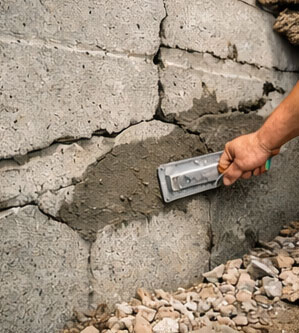
Living through a severe drought is taxing for both the landscape and the structural integrity of your home. When the ground loses significant moisture, the soil beneath your feet undergoes a dramatic physical transformation that directly impacts your foundation.
This phenomenon matters because foundation issues are rarely self-correcting and usually worsen over time. Understanding the relationship between arid weather and structural shifts is the first step in preventing costly long-term damage to your property.
The Science of Soil Desiccation
Most residential foundations are built on clay-rich soil, which acts like a sponge by expanding when wet and shrinking when dry. During a drought, the soil pulls away from the concrete footings, leaving a literal void where there should be solid support.
- Check for visible gaps between the exterior soil line and the concrete base of your home.
- Monitor for “subsidence,” which occurs when the house begins to sink into the hollows left by shrunken earth.
- Look for localized sinking in specific corners of the house where the sun hits the hardest.
When the earth retreats, the foundation loses the uniform pressure required to keep it level, leading to sudden structural stress.
Telltale Signs of Interior Movement
As the foundation shifts due to soil shrinkage, the rigid frame of the house is forced to bend and adjust. This movement manifests quickly in the finished areas of your home, often appearing overnight after a long dry spell.
- Inspect the corners of window frames and doorways for diagonal “stair-step” cracks in the drywall.
- Note any doors that suddenly stick or refuse to latch properly because the frame is no longer square.
- Watch for baseboards pulling away from the floor or gaps appearing where the wall meets the ceiling.
These interior symptoms are the house’s way of signaling that the underlying support system is no longer stable.
The Danger of Uneven Moisture Levels
Large trees and expansive landscaping can inadvertently accelerate foundation issues during a drought. Roots will travel great distances to find water, often sucking the remaining moisture from directly beneath your slab.
- Maintain a consistent watering schedule for the perimeter of your home to keep the soil “at grade.”
- Consider installing a root barrier if large oaks or maples are planted too close to the structure.
- Ensure that your irrigation system reaches the entire perimeter rather than just the flower beds.
Strategic moisture management helps ensure that the soil remains at a constant volume, preventing the cycle of heave and shrinkage.
External Masonry and Brickwork Failures
Brick and stone are unforgiving materials that do not flex when the ground moves beneath them. Cracks in the exterior masonry are often the most visible and alarming signs that a drought has compromised the foundation.
- Scan your brickwork for long horizontal or zigzagging cracks that follow the mortar lines.
- Check the chimney to ensure it is not leaning away from the rest of the structure.
- Look for “frieze board” separation, where the top of the brick wall pulls away from the roofline.
Exterior masonry damage provides a clear visual map of where the foundation is lacking support from the desiccated earth.
Proactive Maintenance Strategies
Preventing foundation failure during a drought is far more cost-effective than reactive repairs. Simple habits can mitigate the effects of extreme heat and lack of rainfall on your home’s footprint.
- Use a “soaker hose” placed about a foot away from the foundation to provide slow, steady hydration.
- Apply a layer of mulch around the perimeter to help retain existing ground moisture and regulate temperature.
- Ensure your gutters are clear so that when the rain finally returns, it doesn’t cause a sudden, damaging “flash swell.”
Consistent care allows the soil to maintain its load-bearing capacity even when the weather turns harsh.
Safeguarding Your Investment Against Environmental Shifts
Taking immediate action when the weather turns dry can save you from the headache of major structural stabilization. A stable home provides peace of mind and preserves the equity you have worked so hard to build.
By staying vigilant during seasonal droughts, you can catch minor shifts before they evolve into catastrophic failures. Your foundation is the most critical component of your home, and it deserves protection from the elements.